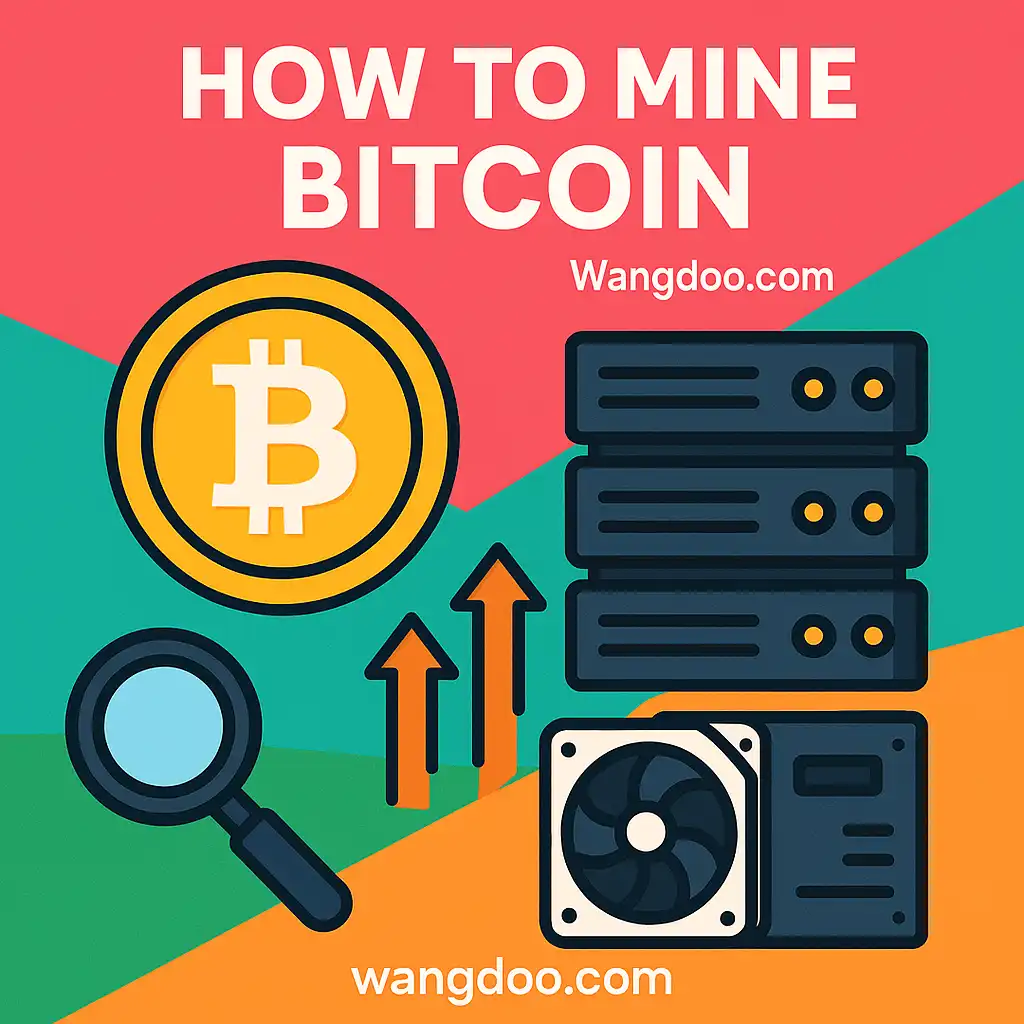
Bitcoin mining can sound complicated, but the core idea is simple: miners use specialised computers to help secure the Bitcoin network. In return, they earn newly created Bitcoin and transaction fees. This guide breaks everything down in plain English so anyone can understand how it works today.
🔍 What Is Bitcoin Mining?
Bitcoin runs on a system called Proof‑of‑Work. Instead of a bank verifying transactions, thousands of miners around the world do the job.
Miners:
- Check and confirm Bitcoin transactions
- Add them to the public ledger (the blockchain)
- Compete to solve a cryptographic puzzle
- Earn rewards when they succeed
This process keeps Bitcoin secure, decentralised, and resistant to fraud.
⚡ Why Do Miners Need Powerful Machines?
Mining involves trying trillions of number combinations every second to find a valid result. Regular computers can’t keep up. That’s why miners use ASICs — specialised machines built for one job: running Bitcoin’s SHA‑256 algorithm as efficiently as possible.
In 2026, modern ASICs are:
- Far more energy‑efficient
- Much faster than older models
- Designed for better cooling and 24/7 operation
This shift has made mining more industrial and competitive than ever.
💰 What Do Miners Earn?
Miners earn two types of rewards:
1. Block Reward
Every time a miner successfully adds a new block to the blockchain, they receive 3.125 BTC. This amount halves roughly every four years.
2. Transaction Fees
Users pay small fees to send Bitcoin. These fees go to miners and can spike during busy periods.
Together, these rewards incentivise miners to keep the network running.
🧠 Can Anyone Mine Bitcoin?
Yes — but not with a laptop or phone. Those days are long gone.
Beginners typically choose one of these paths:
- Join a mining pool (most common)
- Buy a small ASIC for home mining
- Use a hosting provider to run hardware remotely
Mining solo is technically possible, but the chances of earning a block reward alone are extremely low.
🌡️ What About Energy Use?
Mining uses electricity because ASICs run continuously. That’s why miners look for:
- Low‑cost renewable energy
- Off‑peak electricity rates
- Efficient cooling setups
Modern miners also recycle heat to warm homes, offices, or greenhouses — a growing trend in 2026.
🛡️ Is Bitcoin Mining Safe?
Mining itself is safe. The risks come from:
- Buying unreliable hardware
- Overheating equipment
- High electricity bills
- Scams in cloud‑mining services
As long as you use trusted hardware and understand your costs, mining is a legitimate and transparent process.
🧩 Why Mining Matters
Mining is the backbone of Bitcoin. Without miners:
- Transactions wouldn’t be verified
- The network wouldn’t be secure
- Bitcoin wouldn’t function
Miners keep the system decentralised and trustworthy — and anyone can participate at some level.
🎯
Bitcoin mining in 2026 is more advanced than ever, but the basics remain easy to understand. It’s all about specialised computers, energy efficiency, and helping secure the world’s largest decentralised network.
If you’re curious about mining, start small, learn the fundamentals, and explore whether it fits your goals.