By Mojo, Wangdoo.com
Published: Tuesday, 04 November 2025, 06:16 IST
The smartphone industry thrives on innovation. From the first touchscreen devices to today’s AI-powered flagships, each leap forward has redefined how we interact with technology. Samsung has consistently been at the forefront of this evolution. Its Galaxy Z Fold and Z Flip lines proved that foldables could move beyond gimmicks and become mainstream. Now, with the Galaxy Z Tri-Fold, Samsung is once again rewriting the rules.
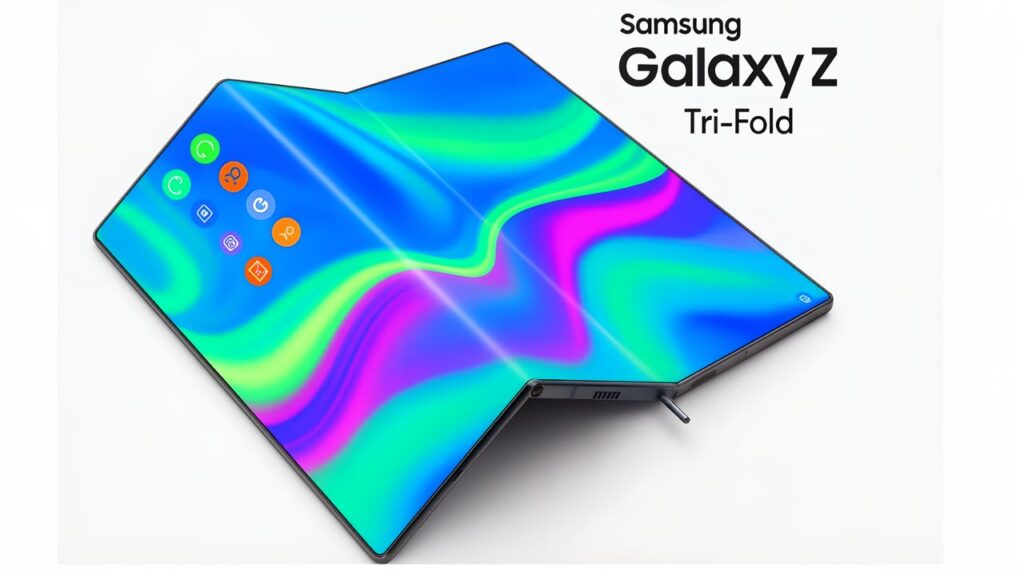
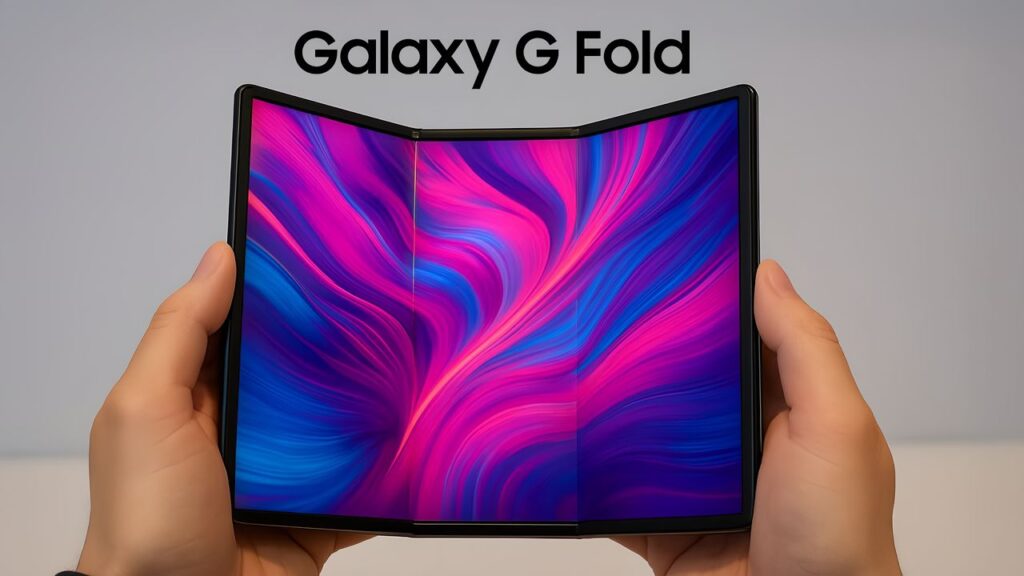
Unveiled at the APEC Summit in South Korea in October 2025, the Galaxy Z Tri-Fold is more than just another foldable phone. It folds not once, but twice, transforming from a compact smartphone into a wide-screen multitasking tool and finally into a full 10-inch tablet. This is not just an incremental upgrade — it’s a bold reimagining of what a mobile device can be.
The Journey to the Tri-Fold
Having covered Samsung’s foldable journey since the first Galaxy Z Fold in 2019, I’ve seen how each generation addressed durability and usability concerns. Early models had visible creases, fragile hinges, and high prices. But Samsung persisted, refining the design year after year. By the time the Galaxy Z Fold 6 arrived in 2024, foldables had become a respected category, with competitors like Huawei, Xiaomi, and Oppo also entering the market.
The Tri-Fold represents the next logical step. Instead of a single hinge, it uses two hinges and three connected panels, allowing for multiple configurations. This design opens up possibilities that a single-fold device simply can’t match.
Design and Build Quality
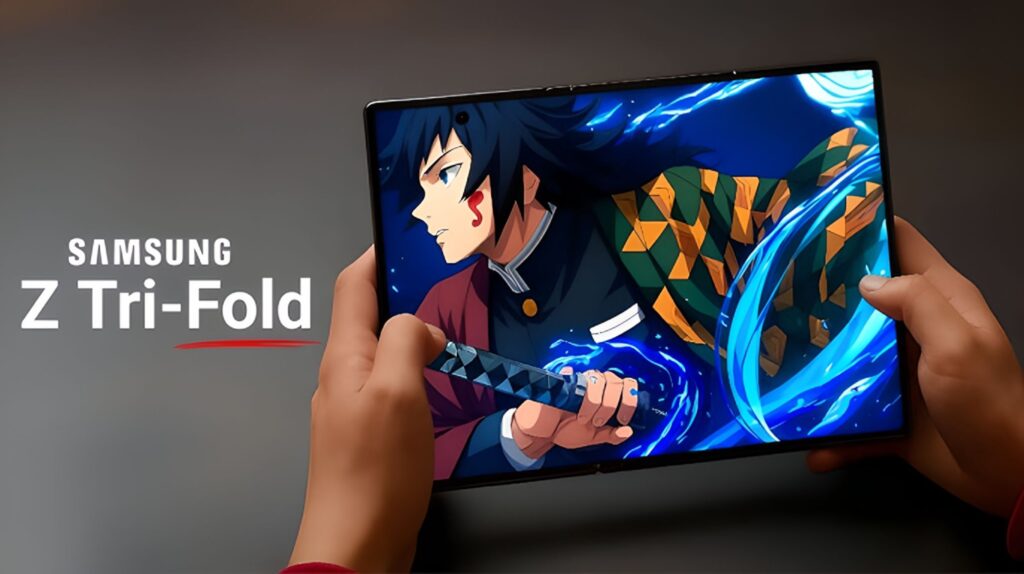
The Galaxy Z Tri-Fold is a marvel of engineering. When folded, it looks like a slightly thicker smartphone, complete with a 6.5-inch cover display for quick access to calls, messages, and apps. Unfold it once, and you enter a wide-screen mode perfect for multitasking. Unfold it fully, and you’re holding a 10-inch AMOLED tablet — large enough for productivity, gaming, or immersive streaming.
Samsung has worked hard to address the crease issue that plagued earlier foldables. The Tri-Fold uses a new “D-shaped” hinge design, which reduces stress on the display and minimizes visible creases. The hinges are reinforced with stronger materials, making them more durable despite the added complexity of having two instead of one.
The device also distributes its battery cells across the three panels, ensuring balance and endurance. This design choice prevents the phone from feeling lopsided and helps maintain a slim profile when folded.
Hardware and Performance
Samsung has equipped the Galaxy Z Tri-Fold with top-tier hardware to match its futuristic design.
- Processor: Qualcomm Snapdragon 8 Elite, the most powerful chipset available in late 2025.
- Memory: Up to 16GB of RAM, ensuring smooth multitasking across multiple apps.
- Storage: Options up to 1TB, catering to professionals and creators who need space for large files.
- Battery: Around 5,500 mAh, split across multiple cells for balance. Fast charging and wireless charging are supported.
- Cameras: A triple-lens setup, with reports suggesting a 200MP primary sensor, an ultra-wide lens, and a 3x telephoto.
According to GSMArena and Android Central, Samsung’s engineering team has emphasized durability testing, with the Tri-Fold undergoing more than 300,000 folding cycles in lab conditions.
Software Experience
Hardware alone doesn’t make a foldable shine — software optimization is key. Samsung’s One UI has been steadily refined for foldables, and the Tri-Fold takes it to the next level.
- Multi-Window Mode: Run three or more apps simultaneously, each occupying its own panel.
- Adaptive UI: Apps transition seamlessly between phone, wide-screen, and tablet modes.
- S Pen Support: The larger unfolded display is perfect for note-taking, sketching, and editing.
This adaptability makes the Tri-Fold a true hybrid device — part phone, part tablet, part workstation.
Price and Availability
Samsung confirmed at APEC 2025 that the Galaxy Z Tri-Fold will see a global release in late 2025, though initial availability will be limited to select markets such as South Korea, China, the US, and the UAE. A wider rollout is expected in 2026.
Pricing has not been officially announced, but analysts at Digit and IBTimes expect it to fall in the $2,800–$3,000 range, making it one of the most expensive smartphones ever released.
Why the Tri-Fold Matters
The Galaxy Z Tri-Fold is more than just another gadget. It represents a paradigm shift in how we think about mobile devices. Instead of carrying both a phone and a tablet, users can have one device that adapts to their needs.
- For professionals, it offers a portable workstation with enough screen space for productivity apps.
- For gamers, it provides a larger, more immersive display.
- For students, it’s a note-taking device, e-reader, and study tool in one.
- For creators, it’s a canvas for sketching, editing, and designing.
In short, the Tri-Fold blurs the line between categories, creating a new class of device altogether.
Challenges Ahead
Of course, the Tri-Fold is not without challenges.
- Durability: Two hinges mean twice the potential points of failure.
- Thickness and Weight: Even with Samsung’s engineering, the device is bulkier than a standard phone.
- Price: At nearly $3,000, it will be out of reach for most consumers.
But these are the same criticisms that early foldables faced. Over time, as technology matures and costs come down, the Tri-Fold concept could become as common as today’s foldable phones.
The Future of Foldables
Samsung is not alone in exploring tri-fold technology. Huawei and Xiaomi have showcased prototypes, and other manufacturers are rumored to be working on similar designs. But Samsung’s scale, marketing power, and track record give it a unique advantage.
Looking ahead, we may see even more radical designs: rollable displays, stretchable screens, and hybrid devices that combine folding and rolling mechanisms. The Tri-Fold is just the beginning of this new era.
Conclusion
The Samsung Galaxy Z Tri-Fold is a bold statement: the future of mobile devices is flexible, adaptable, and transformative. While it may not be perfect at launch, it sets the stage for a new category of devices that could one day replace both smartphones and tablets.
For now, it remains a premium, futuristic gadget — but in a few years, it could be the standard. Just as the original Galaxy Z Fold paved the way for today’s foldables, the Tri-Fold may well define the next decade of mobile innovation.
About the Author
Mojo is a Technology Correspondent at Wangdoo.com, specialising in consumer electronics and mobile innovation. With over a decade of experience covering the smartphone industry, Mojo has reported on every major Galaxy Fold release since 2019, offering insights into how foldables are reshaping the future of mobile computing.
This article is based on Samsung’s official APEC 2025 showcase and reporting from GSMArena, Android Central, Digit, and IBTimes. Specifications and availability details are accurate as of November 2025 but may be updated as Samsung finalizes its global rollout.