Can TP-Link Even Sell Its New Wi-Fi 8 Routers in the US? Here’s Where Things Stand

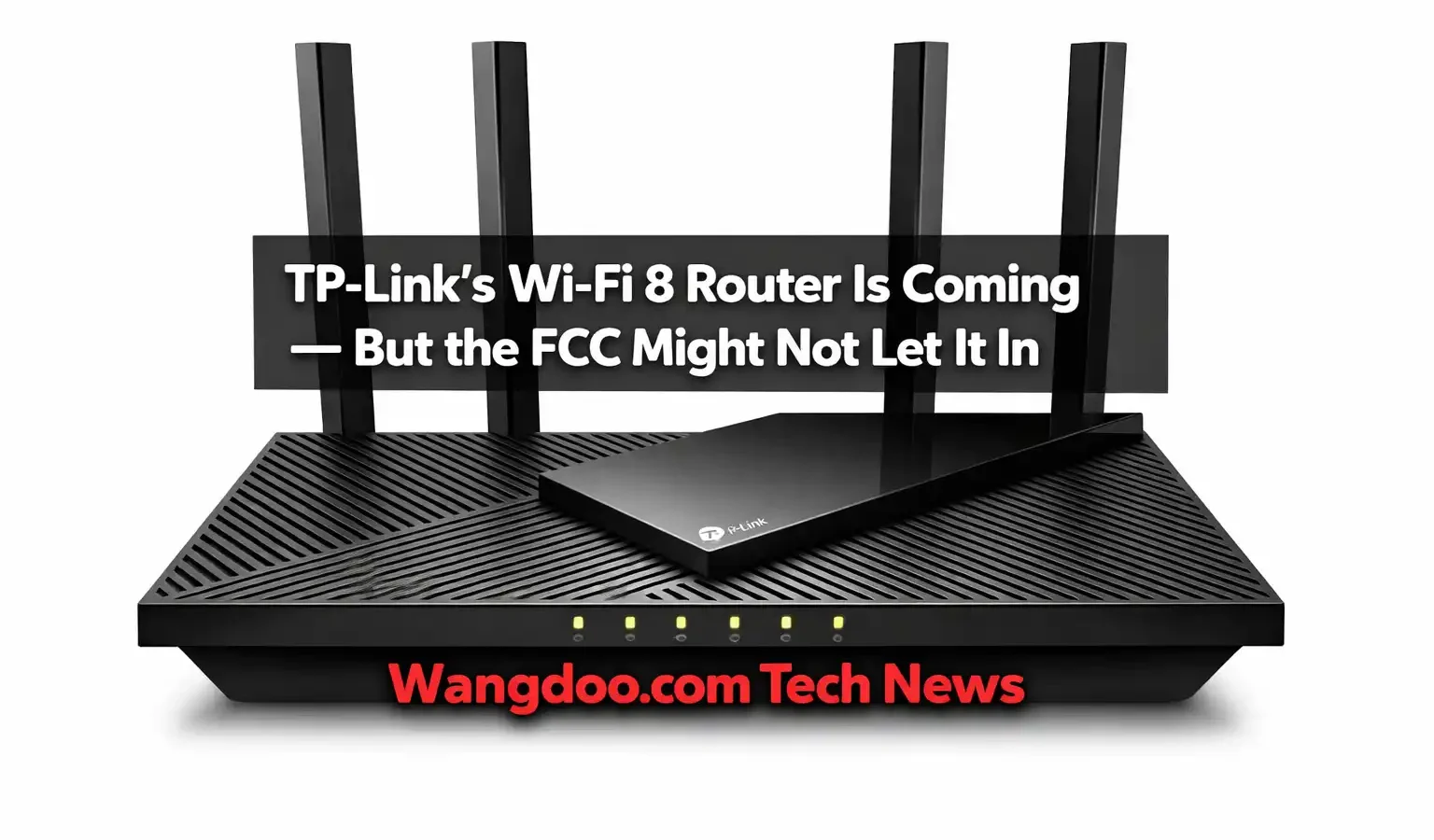
TP-Link’s Wi-Fi 8 Router Is Coming — But the FCC Might Not Let It In
TP-Link just laid out a full Wi-Fi 8 roadmap for late 2026 and 2027. There’s one problem: it still doesn’t have permission to sell new routers in the US at all.
Transparency note: None of the hardware mentioned here exists yet — the Archer 8, Deco 8, and Roam 8 are unreleased, so nothing in this piece is based on hands-on testing. This is a regulatory and product-roadmap status report, built from TP-Link’s own public statements, FCC public notices, and reporting from Tom’s Hardware, Yahoo Finance, and Rethink Research. The FCC’s approval process is moving on a rolling basis, so the specifics of TP-Link’s standing could shift after this article goes live — treat the approval status here as accurate as of publication, not as a permanent answer.
TP-Link wants you to know exactly what its next generation of routers will look like. What it can’t tell you yet is whether you’ll legally be able to buy one.
An independent creator’s take on the broader FCC router ban — background context on the policy, not specific to TP-Link’s Wi-Fi 8 roadmap covered below.
The company recently laid out its first Wi-Fi 8 hardware roadmap: a standalone Archer 8 router targeted for October 2026, a Deco 8 mesh system due in early 2027, and a Roam 8 travel router to follow. On paper it’s an aggressive, confident plan from the biggest router brand in the US. Underneath it, though, sits a regulatory fight TP-Link is currently losing.
The Short Version
- In March 2026, the FCC banned the import of all new foreign-made consumer routers, not just Chinese-linked brands
- Manufacturers can apply for a “Conditional Approval” exemption if they commit to shifting production to the US
- Netgear, Adtran, and Amazon’s Eero have all secured approval. TP-Link, the market leader, has not
- TP-Link’s entire Wi-Fi 8 lineup is built on the assumption it eventually will
The Ban TP-Link Is Trying to Get Around
We’ve covered the mechanics of the FCC’s foreign-made router ban in more depth elsewhere, but the short version matters here: in March 2026 the FCC added foreign-produced consumer routers to its Covered List, citing national security risk tied to state-sponsored hacking campaigns that used compromised home routers as entry points into US infrastructure. Crucially, the rule wasn’t written to single out TP-Link or Chinese brands specifically — it swept in nearly every major router maker, since almost none of them manufacture in the US. Netgear, ASUS, Eero, Google, Ubiquiti, Synology, and TP-Link were all caught by the same net.
The carve-out is a process called Conditional Approval. A manufacturer can keep importing new models if it submits a time-bound plan to shift manufacturing to the US, along with details on the capital it’s committing to that move. The Department of War and Department of Homeland Security evaluate each application before the FCC updates its Covered List.
TP-Link’s Pitch — and Why It Hasn’t Landed Yet
TP-Link’s argument to the FCC leans heavily on distance from its Chinese origins. The company completed its split from its former Shenzhen-based parent in 2022 and now describes itself as a US company, with headquarters in Irvine, California. It’s pointed to its US workforce and pledged hundreds of millions of dollars toward bringing manufacturing and R&D onshore, framing Conditional Approval as the thing that would let it follow through on that investment.
So far, that pitch hasn’t been enough. Netgear and Adtran received Conditional Approval in mid-April 2026, with Eero following shortly after. TP-Link did not. The timing was awkward — TP-Link’s approval bid was making headlines in the same week the NSA separately flagged security vulnerabilities in its routers, which didn’t help the optics of “trust us, we’re secure now.”
TP-Link’s “we’re an American company now” framing has also drawn a direct legal challenge from a rival. Netgear has reportedly filed a countersuit alleging that TP-Link’s rebrand as a US company amounts to false advertising — meaning the exact claim TP-Link is leaning on with the FCC is currently being contested in court by one of the three competitors that’s already cleared the bar TP-Link hasn’t.
The Security Counter-Argument
TP-Link’s nationality reframing addresses the FCC’s stated concern about where routers are made, but it doesn’t address the company’s long vulnerability history, which critics argue is the more relevant security question regardless of ownership structure. That’s the tension regulators are weighing alongside the manufacturing-investment pitch. It’s also not just an FCC-level concern: Texas Attorney General Ken Paxton has separately filed a lawsuit accusing TP-Link of allowing Chinese hacking groups to access devices in US homes, adding a state-level legal front to the federal regulatory one.
What’s Actually Riding on This: the Wi-Fi 8 Lineup
This is where the FCC fight stops being abstract policy and starts mattering for an actual product launch. TP-Link’s roadmap puts the Archer 8 first, tentatively in October 2026, described as featuring a minimalist design with RGB accents and AI-assisted network tuning. The Deco 8 mesh system and Roam 8 travel router are slated to follow through 2027, with range extenders and client adapters rounding out the lineup later that year.
Worth knowing before any of that: the Wi-Fi 8 standard itself, formally known as IEEE 802.11bn, isn’t expected to be finalized until early 2028 — well over a year after Archer 8’s planned launch. TP-Link isn’t unique in jumping ahead of the finished spec (other manufacturers are doing the same), but it does mean early “Wi-Fi 8” hardware is built on a standard that could still change before it’s locked in.
None of that matters if TP-Link can’t legally import new router models into the US. Existing TP-Link routers already on shelves or in homes aren’t affected by the ban — they keep working and keep getting updates. But Archer 8 is, by definition, a brand-new model made overseas. Without Conditional Approval, it can’t clear FCC equipment authorization, which means it can’t be sold in the US at all.
Competing Wi-Fi 8 announcements are leaning into the same “reliability over raw speed” pitch TP-Link is making for Archer 8.
That pitch only matters if regulators let the hardware into the country to begin with.
Where the Major Router Brands Stand
| Brand | Conditional Approval status | New Wi-Fi 8 hardware affected |
|---|---|---|
| Netgear | Approved (~20 products) | No — cleared to launch |
| Adtran | Approved | No — cleared to launch |
| Amazon / Eero | Approved | No — cleared to launch |
| TP-Link | Pending — not yet approved | Yes — Archer 8 launch at risk |
Frequently Asked Questions
Is the Wi-Fi 8 standard even finished yet?
No. IEEE 802.11bn, the formal Wi-Fi 8 standard, isn’t expected to be finalized until early 2028. TP-Link’s Archer 8 and the rest of its roadmap are launching ahead of the finished spec, which several other manufacturers are also doing.
Does this affect the TP-Link router I already own?
No. The ban only covers new models going forward. Existing TP-Link hardware, whether on shelves or already installed in homes, isn’t affected and continues to receive firmware and security updates.
Can I still buy a TP-Link router right now?
Yes. Current models that already hold FCC authorization can keep being imported and sold. The ban only blocks new foreign-made models going forward unless they get Conditional Approval.
What happens if TP-Link never gets approval?
The Archer 8, Deco 8, and Roam 8 roadmap would have nowhere to launch in the US. TP-Link itself has suggested its US manufacturing investment plans are contingent on getting the exemption, so a denial could affect more than just one product line.
When will we know TP-Link’s status?
There’s no published deadline. The FCC has been issuing approvals on a rolling basis since April 2026, so it’s worth checking the FCC’s Covered List directly for the latest status rather than relying on any single article’s snapshot.
My Take — Mr Wangdoo
Based on the public filings and reporting here, not on any inside access to the FCC’s decision-making: the gap between Netgear/Adtran/Eero getting cleared in April and TP-Link still waiting is hard to read as a coincidence. TP-Link’s nationality argument is a real one on paper, but it’s competing against a vulnerability track record that gives regulators an easy, defensible reason to keep stalling — and now against a direct legal challenge from Netgear questioning whether the “American company” framing is even accurate, plus a separate state-level lawsuit alleging the company allowed Chinese hacking groups access to US devices. Whatever the actual mix of security concern and trade leverage behind this policy, TP-Link is the company with the most to lose from it — it’s the market leader, and its entire next-generation product line is currently a roadmap with no confirmed runway to launch in its biggest market, fighting on three fronts at once: the FCC, a competitor’s lawsuit, and a state attorney general.
Sources
- Tom’s Hardware — TP-Link’s Wi-Fi 8 roadmap announcement and pending FCC approval status
- YouTube — “The US Router Ban Has a Dark Question Nobody Is Asking” (background context)
- Tom’s Hardware — TP-Link’s Conditional Approval bid and FCC filing details
- Yahoo Finance — TP-Link’s manufacturing investment pledge to the FCC
- Rethink Research — Netgear and Adtran’s April 2026 Conditional Approvals
- FCC — public notice on the Covered List update and Conditional Approval process
- TP-Link — official customer statement on the FCC router discussions
- TechSpot — Netgear countersuit and Wi-Fi 8 standard timeline reporting
- RouterArena — Texas Attorney General lawsuit against TP-Link